WeMindTheGap worked with Hitch Marketing to explore the lived experiences of young people aged 18–21 in Wrexham following the COVID-19 pandemic.
Background
Using a mixed-methods approach including co-creation workshops, surveys, interviews, digital entries and on-street engagement, the project captured young people’s realities, challenges and aspirations. Insights highlighted anxiety, disconnection, barriers to healthcare access and concerns about future prospects. Youth-led research and iterative engagement strengthened participation and authenticity. Findings were translated into actionable recommendations to support improved engagement strategies and more responsive support systems, enabling WeMindTheGap to better address young people’s needs and enhance wellbeing and future opportunities.
Executive summary
Hitch worked with WeMindTheGap to engage with young people in Wrexham and capture their lived experiences of the impact of COVID-19 on their current and future lives. The project focused on young people aged 18–21, aiming to understand their daily experiences, challenges, aspirations and concerns. Using a mixed-methods approach that prioritised co-creation and youth-led research activity, Hitch gathered rich qualitative and quantitative insight. Findings were translated into actionable recommendations to support improved engagement, service design and support systems for young people in Wrexham.
The challenge
Young people in Wrexham experienced significant disruption during and following the COVID-19 pandemic. Early engagement highlighted challenges including anxiety, disconnection from society, barriers to accessing healthcare services, increased drug use, mental health concerns and experiences of racism. Traditional consultation methods risked missing the nuance of these experiences. WeMindTheGap required an approach that could authentically capture young people’s realities and provide insight that reflected both immediate and longer-term impacts on wellbeing, opportunity and future prospects.
Objectives
- Gain insight into the lives of young people aged 18–21 in Wrexham.
- Understand daily experiences, existing challenges and factors influencing potential.
- Capture young people’s views on their current circumstances and future aspirations.
- Develop evidence-based recommendations to improve engagement and support.
Approach and methods
The project was delivered across distinct stages, including initial engagement and recruitment, activity commencement, and analysis and reporting. Hitch implemented a mixed-methods research approach, combining:
- Co-creation workshops
- Surveys
- In-depth interviews
- Digital diary entries
- On-street engagement
- Focus groups
A co-creation workshop held at Coleg Cambria enabled young people to share experiences and concerns in a facilitated environment. Young people were also recruited as “young explorers” to conduct peer-led interviews, supporting more open and authentic conversations. Digital entries captured candid reflections on routines, goals and coping strategies.
Engagement and Delivery
Early survey engagement presented challenges, prompting iterative improvements to approach and delivery. Hitch proposed amendments including shortening survey length, promoting participation via social media, and increasing on-street engagement led by expert facilitators. Stakeholder engagement was strengthened through broader outreach and follow-up calls, ensuring partners were supported with resources and guidance throughout the process.
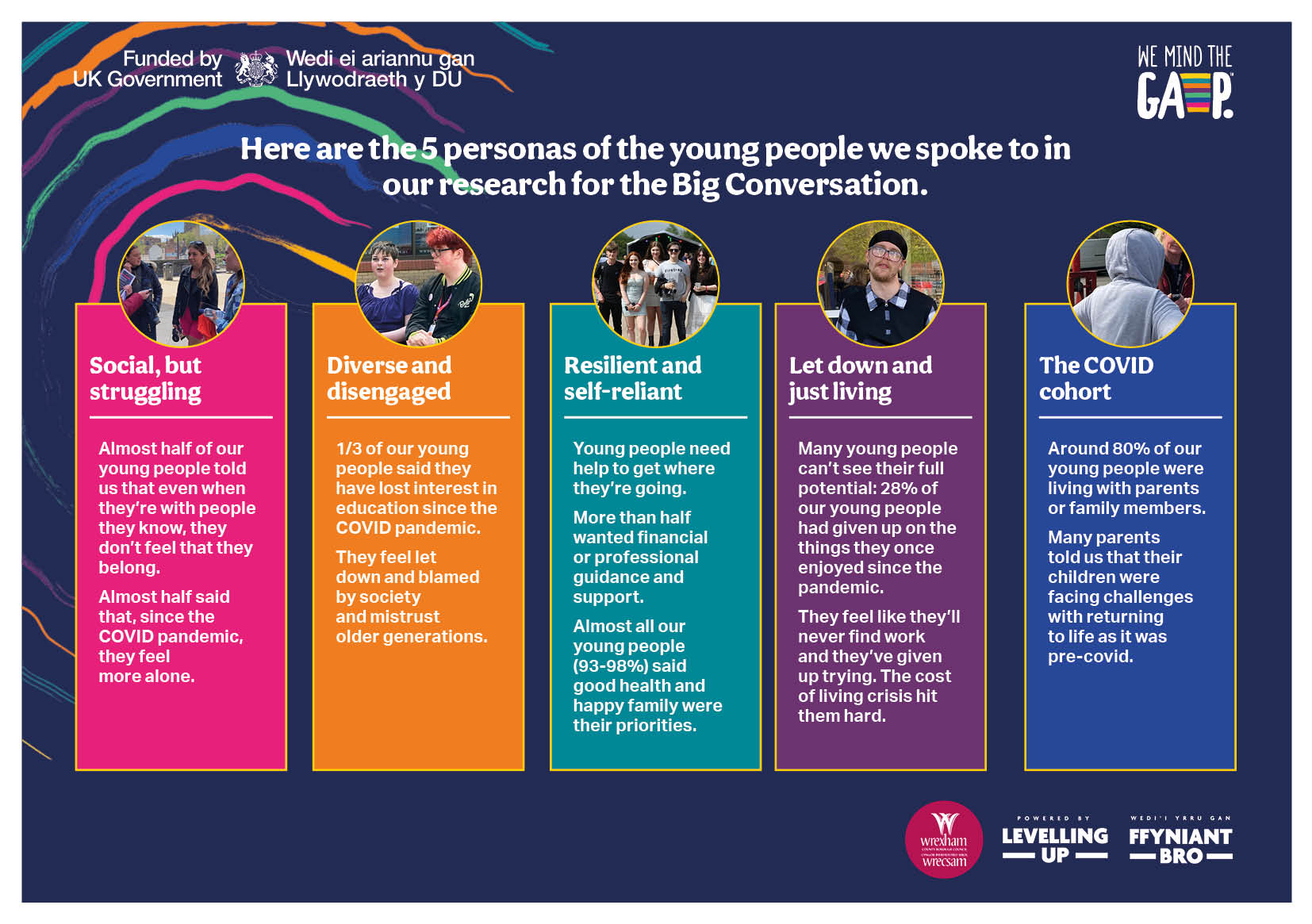
Key Insights
Research highlighted a range of experiences among young people in Wrexham, including:
- High levels of anxiety and disconnection from society
- Concerns around mental health and wellbeing
- Barriers to accessing healthcare services
- Worries about future prospects, aspirations and stability
- Varied living situations and leisure activities
Insights revealed the cumulative impact of the pandemic on confidence, opportunity and perceived support, alongside a strong desire for improved engagement and understanding from services.
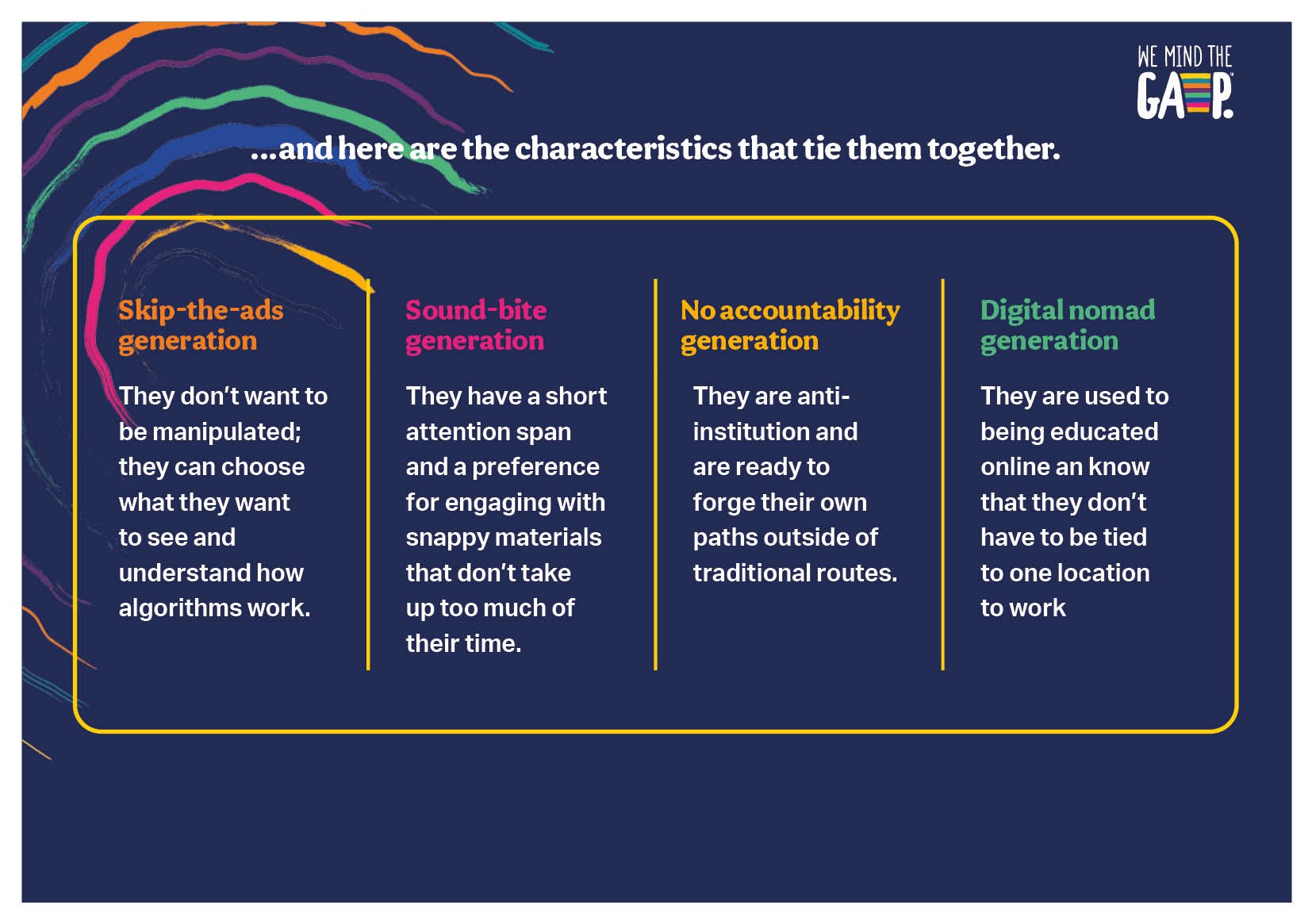
Outcomes
Through integrating diverse research methods, Hitch generated a robust evidence base reflecting young people’s lived realities. Findings were translated into clear, actionable recommendations designed to support WeMindTheGap in strengthening engagement approaches and developing more responsive support systems. The work enabled WeMindTheGap to better tailor strategies to young people’s needs, enhancing their wellbeing and prospects for the future.
Lessons Learned
- Co-creation and youth-led research methods improve authenticity and depth of insight.
- Flexible, adaptive engagement approaches are essential when working with young adults.
- Combining qualitative depth with broader survey insight strengthens understanding of complex lived experiences.
Additional information
Contact
Nick Godbehere, Managing Director at Hitch Marketing Limited, [email protected]