This report explores how sport, arts and culture can support community cohesion. The Local Government Association (LGA) commissioned the report in partnership with Belong, the Cohesion and Integration Network.
Executive summary
Authored by Dr Chris Stone and Dr Jeni Vine – Belong, the Cohesion and Integration Network
Within sport and arts programmes there is a distinction between social inclusion and social cohesion that is often not realised and can become conflated. Social inclusion involves widening participation amongst underrepresented groups and demographics. This is important for enabling and empowering such groups and can encourage a more cohesive society if it leads to more diverse voices having an influence. Social cohesion, though, is about connecting different groups with others in positive and mutually enhancing ways.
This report commissioned by the Local Government Association (LGA), considers both these elements and, within the context of the disorder experienced by communities in the summer of 2024, explores the role of sport, arts and culture in supporting community cohesion.
Experiences from affected areas
From the interview data with local authorities, it became apparent it following the disorder of August 2024 that many white socio-economically deprived communities feel underrepresented, both ‘politically’ and ‘culturally’. Many councils recognised that they have strong, well-established links and partnerships with minoritised groups, particularly in places with high levels of ethnic diversity, across various protected characteristics. However, some funders and councils are not prioritising economically deprived, predominantly white, communities in the same way – low income not being a recognised protected characteristic. Community resilience comes from mutual respect, long-term relationships, and recognition of community assets, not top-down narratives imposed from local authorities. The events of the summer 2024 have required many councils to reconsider their relationships and tangible support to some deprived communities.
Activities aimed at young people and youth work models
Youth engagement has undergone significant changes in recent years. Universal youth work has been replaced by targeted approaches based on ‘problematised’ youth demographics. Furthermore, there has been a general reduction in funding for youth work. Some of the shortfall has been picked up by the voluntary and community sector. Organisations such as Football Unites Racism Divides (FURD), StreetGames and Football Club Community Trusts have been able to offer youth engagement activities due to a belief that sport is an important hook, or distraction, onto which other outcomes can be attached. Their role in social cohesion requires appropriate management otherwise they can reinforce inequalities by focusing only on some groups to the exclusion of others where there is great need.
Success is most likely to be achieved through co-produced programmes based on young people’s experiences, perceptions and concerns. These do not necessarily need extensive funding but do need staffing support to build trusting relationships and spaces in which young people can feel comfortable and take ownership. Often these are the barriers to successfully cohesive youth engagement.
Engagement with older demographics and intangible heritage
There are common symbols of local culture that can be used to appeal to older demographics within communities that feel ‘left-behind’. These symbols may be the local football club, popular music, pubs, clubs or parks that have been redeveloped and workplaces that no longer exist. These do not replace the financial insecurities that drive dissatisfaction but can be utilised to acknowledge the experience of collective nostalgia. There are also common experiences of ageing, in relation to health and life-experience (facing mortality, raising a family or passing on advice to younger generations), that can bring people together across intersecting differences.
For older demographics, successful social cohesion is about finding ways for them to dust off their old cultural rucksack and share its contents with those whose backpacks are less familiar within everyday exchanges. This can be through public art that provides a daily reminder or regular shared experiences in local sport and leisure contexts. Difference is a two-way experience. Longer periods of stability experienced by older demographics can make them less enthusiastic about change. Offering ways for them to share and celebrate those experiences, and in so doing encourage intercultural exchange, is one way of acknowledging the challenge.
Long-term benefits of sustained preventative approaches
One-off events can be the catalyst for cultural exchange but evidence from longitudinal studies of social contact theory suggest that attitudes towards the ‘other’ are unaffected in the long-term unless opportunities for more regular contact can be sustained. Thus, linking celebratory events that happen infrequently with longer-term and more regular opportunities for cultural exchange are necessary. Likewise, sporting events need to be built around the celebration of more regular intercultural interaction through sporting involvement.
In some ways, the final outputs of an event or activity programme are less important than the processes involved in putting an event or activity on, which, if undertaken through partnerships which include different communities, provide opportunities for social cohesion. This may sound engineered and artificial in the first instance but as organisational challenges present themselves the common goal of achieving a successful outcome can lead to more organic connections forming. Ideally, success should be evaluated in terms of ongoing connections beyond the duration of the events or activities.
Recommendations
- Place value on diverse leadership and be confident about the benefits this can bring. A range of perspectives gives a council a strong sense of connection to the people it serves and gives local people confidence that their voices are being heard.
- Empower those working in sports, arts, culture to be able to talk confidently about the cost savings of preventative work (with positive impacts on health and wellbeing and lowering levels of anti-social behaviour (ASB) and hate crime) and the importance of building a sense of shared belonging.
- Reinforce the focus on social cohesion rather than social inclusion within arts and sports engagement programmes, so that programmes not only include people who might otherwise find it difficult to access them for a range of reasons, but also bring people together across difference to learn from each other and build mutual understanding.
- Social inclusion and cohesion strategies should extend across all demographics to encourage cultural exchange between different groups and equip people with skills to deal positively with difficult conversations across difference and extend to the built environment to develop pride in the surroundings and history.
- Create opportunities for community leadership within socio-economically deprived areas and provide networks to support and build skills and knowledge through sports, arts and heritage and engage in co-designing programmes.
Introduction
The disorder that took place across the UK in the summer of 2024 has placed renewed emphasis on the need to better understand the mechanisms through which community cohesion might be achieved and maintained. This report commissioned by the Local Government Association explores the role of sport, arts and culture in this process. The aim is to identify, collate, and present existing evidence and best practice to help guide the work of culture, heritage and sport services within councils. The report differentiates between social inclusion work and the broader social cohesion outcomes that can be achieved by bringing people together across difference in positive ways to build a shared sense of belonging and trust.
In the following sections this report sets out best practice and advice in the following areas:
- preventative measures and provision of sports, arts and culture
- structures and communication
- place-making (over time)
- local community led engagement
- large scale commercial and national celebrations.
The findings of this research are based on interviews with local authority staff and key stakeholders. A more detailed overview of the project’s methodology is provided at Appendix 1.
Preventative measures and provision of sports, arts and culture
Sport is commonly seen as a useful tool for increasing social cohesion. Similarly, arts and their role in cultural expression are also linked to social cohesion. However, research suggests that in discussions about the relationship between sport and social cohesion there are few clear defining parameters for social cohesion and many of the assumed outcomes lack evidence.
There is also an implicit distinction made between sport and arts in terms of their role in building resilience and supporting social cohesion. Sport is often framed in terms of being a distraction activity but inherently provides opportunities for people to come together from different communities. This is partly due to the historic use of sport within physical education and the continuation of sporting ideals based on teamwork and character building. These beliefs underpin sport development which values sport for sport’s sake, pushing organisations to increase participation across underrepresented groups without always asking the questions ‘what for?’ and ‘is that what they want?.
Case Study: Doorstep Sports (StreetGames)
Doorstep Sport is delivered by locally trusted community organisations (LTOs) to bring sport (and its benefits) to young people living in low-income communities. Delivery is purposefully designed to both reduce the barriers that exist and build knowledge, skills, confidence, connectivity and a sense of belonging. These are all based on and supported by a strong and constantly evolving evidence base.
Doorstep Sport provides more than ‘just’ activity sessions, it provides young people with opportunities to:
- Take part in activities within their local community, connect with others and build a sense of belonging.
- Develop a positive, committed habit in a safe and structured environment.
- Try new sports, improve skills, go to new places, meet new people and widen horizons.
- Shape and help to lead sessions, take on new challenges and make their voices heard.
- Volunteer, take responsibility, be challenged, receive training, be mentored, gain new qualifications.
- Benefit from coaches and leaders who act as positive and encouraging role models.
Monitoring data show that 77 per cent of those that take part live within the two most deprived Index of Multiple. Deprivation (IMD) quintiles and comprise approximately 33 per cent females, 34 per cent from ethnically diverse backgrounds and 6 per cent have a disability. Participant survey data highlights not only increases in activity levels, but also increases in wellbeing, self-efficacy and social trust – to levels above those reported nationally amongst young people.
Sport can play a positive role through providing opportunities to bring people together at local and regional events as well as through opportunities to help run sports activities through volunteering and leadership.
Increasingly, ‘sport development’ is being supplemented by ‘sport for development’, whereby programmes are not primarily aimed at increasing participation and improving sporting ability but use sport as a means to engage targeted populations and provide them with other opportunities, around employability, mental health, crime reduction and so on. However, there remains an undercurrent of the assumed positive outcomes of sport in and of itself.
Arts are more often discussed as a cooperative process but again discussions around social cohesion become conflated with widening participation in ‘the arts’ amongst underrepresented groups. That said, social inclusion (the involvement and empowerment of disenfranchised groups) is an important part in achieving social cohesion (a sense of belonging, connectivity and social trust across different sections of society). Furthermore, there is often a distinction between ‘the arts’ – meaning high cultural activities aligned with ‘the theatre’, ‘galleries’ and ‘museums’ – and ‘community art’ that might take place in local libraries or organised by the voluntary and community sector and used as a form for bringing people together. Many settings now merge the two forms of art by having participatory activities in theatres, galleries and museums alongside their showcasing of the work of professional artists and permanent collections.
Case Study: Cultural Rucksack and The Art of Belonging (Nottingham)
The principle behind the Cultural Rucksack is that despite life being more transient for many – migrants in particular, but also traditionally more localised communities – we all, metaphorically, carry our cultural experiences with us. Using artistic practices, the Art of Belonging, explored young migrants’ experiences of their current locale. They spent time in spaces around Nottingham that are often part of a common experience for the youth of the city but less so for young migrants. They produced artwork in different media inspired by different locations which were exhibited in a local gallery.
An expansion of the offer would be to work with more diverse groups together as well as at an intergenerational level, exploring the different lived experiences of local spaces across the city through artistic practices.
Cultural events take many forms, from street markets to multicultural festivals and all sorts of more everyday events that help to build a sense of belonging, enhance local image and identity, develop social capital, strengthen valuable networks and engender social inclusion through fostering sociable, convivial and pleasurable experiences. Arts and music festivals, community and cultural events, parades, processions or commemorations are generally seen as positive events without tension but sometimes their impact is questioned as a means to reaching as diverse an audience as desired.
“There will be spectacles where people from different ethnicities will come together. Like we've got a people's parade … but they're all symbolic rather than day-to-day. And it's the prosaic that matters, isn't it? Not the performative as it were.” (Stoke-on-Trent)
In other words, such large scale, annual or irregular events must be supported and reinforced through more regular opportunities to engender social inclusion and connect different communities. Furthermore, investment in such events can become disputed and a source of disgruntlement when it is perceived that certain minority groups, ‘othered’ by dominant cultural groups because of their difference, are being favoured for support at the expense of the mainstream majority or other ‘communities of need’.
The way that some people link "othering" to expressing concern about socio-economic conditions, was reported by an interviewee from Hartlepool. The borough's first ever Pride event took place in summer 2024, a few weeks prior to the disorder. Pride events are a regular part of the cultural calendar in many towns and cities across the country, becoming increasingly more accepted and normalised as attitudes towards the LGBTQ+ community become more tolerant – not least as a result of the presence of Pride festivals. Whilst there was no trouble on the day of the event in Hartlepool, there was a lot of dissent expressed across social media and in comments in local media. Whilst some was explicit homophobic and anti-trans prejudice, much of the criticism was framed around economics and a narrative of: ‘Why are the council wasting money on something like this when they can’t even provide basic services?’
“Proving the value of prevention is really difficult because you can't prove the value of a counterfactual, and that's what they need to do. They need to find a way of evidencing the impact of some of that stuff – that bridging that goes on all the time – because when you do have a situation occurring, people fall back on those relationships.” (Slough)
Events that support the acceptance of different interest or ethnic groups are often regarded as unnecessary spend. The savings to budgets related to health, police and justice systems, in reducing hate crime and anti-social behaviour, tackling isolation, and improving wellbeing, are often lost behind the narrative of why spend money on ‘them’ when you can’t give ‘us’ the basics in life. Also, however, there can be a sense of not needing to support events with public funding when they have been going a long time, but may still be very relevant to some settled communities. When this combines with people feeling like their communities’ needs are not being met, this opens the door to what has been termed the “crisis of culture”. This refers to identity politics, leading to a sense of “us and them” replacing social bonds at the neighbourhood and citizen levels which are governed by shared social values.
Many local sports and arts activities contribute to (re)building a sense of belonging that can be shared at the local level. It can often be less structured, informal but regular activities that impact the most by offering a chance for people of different backgrounds to intermingle and exchange ideas.
Case Study: The Bazaar (Plymouth)
A monthly event in Plymouth City Centre that provides vendors from diverse communities a free pitch to provide food and crafts as well as multicultural music and arts. Through being held regularly in a busy part of the city centre it encourages casual, everyday interactions between diverse communities. The question is whether those encounters penetrate certain populations in the long-term but its regularity makes it a routine part of the area helping to normalise cultural difference.
Structures and communication
Leadership
Councils are generally positive in their employment of diverse staff teams with representation from people with lived experience of difference. However, such diversity is less common at senior management level. The implications of this on policy development can lead to gaps in understanding the most effective ways to address the needs of different sectors of the population.
All policy initiatives will be more successful when there is buy in at all levels within a council. For instance, if a local authority believes an investment in community facilities or activities is necessary it will involve multiple departments, from marketing to security and beyond. If finance don’t understand the value, they will say it is too expensive. If estates management does not agree with the need, they might decide there is no space. Strong leadership is required to ensure that local authorities meet their requirements to foster community cohesion by encouraging positive relationships between people from different backgrounds, promote equality and diversity and tackle inequalities.
There is also a feeling that gaps have been left by the changing role of, or complete disappearance of, community cohesion teams within councils.
“The local authority's been so stripped back…. there's no statutory duty to do community development… [So] there's not that cohesion officer role or someone doing that work like there used to be.” (Slough)
Centralisation and engagement with community partners
There has been good progress in building strong partnerships with minoritised communities. In councils that have very diverse communities but experienced no disorder, it was reasoned that it was because of many years of building relationships with community and faith leaders from different ethnic minority communities.
“We regularly go out and visit community and faith groups… We're always trying to ask people about how things are going within their community. Are there any tensions that we need to be aware of? So, we're having regular conversations with them, and I think they appreciate the fact that we're checking in on them without them having to make the effort first.” (Walsall)
In areas that experienced disorder, it was acknowledged that the equivalent relationships councils have with the small minoritised communities do not exist with white-British communities that may be vulnerable to extremism. This is in part due to no identifiable community structure or leader, in part due to the breakdown of traditional institutions and cultural practices, such as pubs used as a local meeting place, working men’s clubs, women’s institutes, amateur football clubs, churches, youth clubs and community centres.
“It's layering that community identity, community of interest and communities of geography together. I think that is what we're doing more of, as long as it's not performative and it's getting people to be together with people that they don't necessarily get to be with all the time.” (Sheffield)
A key role for councils is maintaining good relations and good records of those relations with community partners, in order to keep track of where there may be any gaps, either geographically, demographically or in relation to specific interest groups. It is incredibly important to have strong relationships with community leaders across these three descriptors and support the development of their roles as trusted representatives from various communities – whether neighbourhood based, defined by ethnicity or other protected characteristics, or through shared interests. Understanding the intersections of these is vital too. However, care needs to be taken that support is not simply provided to the same gatekeepers all the time.
“There's always been people who have been gatekeepers or people who have placed themselves as spokespersons and have become gatekeepers and have become the go to person. And in the main, they've not been the right people…” (Sheffield)
In Sheffield part of the solution is understood to be through taking an overarching role in providing support and advice to ensure that any events or projects are informed by appropriate equality impact assessments.
“The way that we have structured ourselves has been that we're a central team. We are there to advise and guide, not to do the work for people. We do liaise with them and have a lot of advice and guidance when needed, rather than telling people what to do.” (Sheffield)
It is felt that such centralised consultation systems and strong collaboration with partners helps their outreach work and reduces duplication. Ward councillors can play a particularly important role in identifying and engaging with the right people, although it must also be recognised that, increasingly, outside influences through social media are having a significant impact. The role of digital media is discussed in the section on building partnerships with sport and cultural Industries further on in this report.
Professionalisation and funding-led
From those involved in community cohesion, for a long time there has been a feeling that the voluntary and community sector has in some cases shifted from grassroots to more formally-led, bureaucratic structures. Sports for Development work has been adapted from youth work and community development models.
“20 years ago it was a bunch of working-class locals that wanted to do better for their communities. They wanted their communities to get better. That changed when universities started introducing courses and qualifications in youth work and community development.” (Sheffield)
There is the risk of people feeling like community work is being done to them instead of, for example, sports involvement emerging from within the community.
These changes have sometimes made it less accessible, responsive, and representative of the communities it is meant to serve. Funding is often tied to trends or output targets, rather than genuine, long-term impact. Belong’s Beyond Us and Them (2021) research showed higher levels of volunteering and sense of belonging in the pilot integration areas where there had been greater funding for building the infrastructure for voluntary and community groups. It also showed better trust in government through greater links with local community leaders. Many of the programmes funded were community sports and arts initiatives.
Place-making (over time)
One identified aspect of social cohesion is a sense of belonging. A key question is: belonging to what, or where? Often the answer is framed by some notion of national identity, definitions of which are not straight forward, yet they have become increasingly apparent in political representation. Identity is another key aspect of social cohesion.
These two aspects are key to the role of sport, arts and cultural events. Belonging is easier to articulate and is more valuable for creating socially cohesive communities at smaller scales and through mutual goals or interests. So, rather than notions of national culture, we should be promoting localised cultural commonalities whilst acknowledging the different experiences of such local cultures and encouraging engagement with and discussion of such differences. This can build on local heritage and points of civic pride.
National events and expressions of nation can still be important and should not be ignored but must be connected with and supplemented by longer-term, regular engagements at a local level. This should be done in partnership with and through consultation with representatives at the local level as part of ongoing relationship building and intercultural dialogue.
“I think the resilience building is the cohesion work that's done day in, day out… all of those relationships are formed so that when it does become more tense, when the temperature does rise, you've got those relationships to fall back on.” (Slough)
Case Study: Football Unites Racism Divides (Sheffield)
Football Unites Racism Divides (FURD) is a prominent anti-racism youth and community organisation that has championed social inclusion for over 30 years. Using sport, youth work, art, and cultural activities as powerful tools, FURD has consistently engaged and provided development opportunities for ethnically diverse and racialised communities. Its foundational strengths lie in the longevity and consistency of its work, which has cultivated deep, trusting relationships crucial for challenging systemic disadvantages at the grassroots level over three decades. Despite significant success in raising aspirations and offering pathways for those facing structural barriers, FURD's diverse leadership identified a critical challenge: a growing deficit in overall social cohesion. By concentrating on certain ethnic minorities, they recognised they were having less impact in integrating the community as a whole, specifically due to a lack of engagement with underrepresented white populations.
This realisation drove a strategic shift. FURD's commitment to tackling structural inequalities now emphasises multi-directional intercultural exchange. This approach ensures that their work builds genuine mutual respect and understanding across all communities, intentionally breaking down the cultural and social segregation upon which structural racism thrives. Ultimately, FURD’s model demonstrates that through sport, youth work, art, and cultural activities local empowerment and long-term commitment are fundamental to dismantling systemic inequality.
What became apparent for a number of councils following the disorder was the lack of engagement and consultation with ‘left-behind’ white-British communities. Older people may have lost some of the touchpoint community institutions they grew up with like local pubs, working men’s clubs, or dance halls, while young people from these communities share a cultural history of growing up in a globalised world which is facing challenges common to all cultures. Accessing these groups to consult and undertake appropriate social cohesion work can be difficult due to the changing approaches to youth engagement, the education structures and increasingly commercial sport and leisure services.
“One of the biggest bulwarks against extremism and the far-right rioting and stuff like that, I think, is just a sense of community. But those community spaces are not accessible anymore to a lot of people. [For] a lot of local authorities there’s such an emphasis on cost recovery, or even income generation, from community spaces that people are priced out of them. The majority of our activities are happening in non-LA spaces because we can't afford to use them.” (Slough)
The decline in numbers of community facilities has led to increased demand for the remaining spaces, often run mainly by the local councils. As council budgets have declined, prices to hire these facilities have risen to match the level of demand, but risk pricing out the community groups that would have the strongest impact on community feeling and sense of belonging. The reason for these high prices is also not always recognised when these community groups put in funding applications to grant-makers and can sometimes be rejected as too high.
“We need the LAs to be enablers of community activity and at the moment they're not because they're trying to sustain themselves using the funding from the community spaces that could be being used as bridging areas.” (Slough)
In many areas the council’s estate includes buildings that have historical cultural significance. Listed buildings that are left derelict add to feelings of decay and insignificance, impacting on sense of belonging.
Case Study: The Portland Inn Project (Stoke-on Trent)
The Portland Inn Project CIC is a creative arts project aiming to achieve community cohesion, economic, social and cultural development by involving the community in development of a pioneering community space, cultural hub and social enterprise.
Making use of a former pub that remains a significant monument to its former use, the space has become a central hub for creative and community organisation activities. Key themes include self-representation (using methods such as film, animation, design and printing). Opportunities are delivered to all ages, with sports workshops also being available to the young people in the area. Learning and exchanging transferable skills is another area being developed with community members; something that happens through the development of projects such as the Portland Pigeon, which is a key part of the growing social enterprise. Another vital area is developing skills in the community (social organising, cooking, gardening), which can support activity and events and help the project to thrive. There is a food strand that supports community members of all ages to develop skills in preparing and cooking nutritious and affordable meals. The work is about long-term sustainability, development of core and embedded skills for the future of the project and the community, people led change and social and environmental justice for all.
Local community-led engagement
Case Study: Creative People and Places (Arts Council)
Creative People and Places focus on parts of the country where involvement in creativity and culture is significantly below the national average. It funds partners in local areas to empower residents to decide what kind of creative activity they want to experience on their doorstep.
Learning from the 10-year programme highlights the following key aspects:
Communities: It is fundamentally about finding ways for communities to take the lead in shaping or co-creating local cultural provision. This means having well-supported community voices present throughout.
Time: Taking a long-term approach changes how people working together in a place can think about the challenges and opportunities facing that place and its communities.
Trust: The cultural sector needs to earn trust with communities. Be open, honest and talk to people directly. Also, you should trust yourselves, your processes, and the communities and artists you work with.
Listening: A core skill for this practice is listening to communities, their dreams, desires and stories – and those who may not immediately come forward. Listening to the evidence of how something works is also crucial.
Partnership: Changing the governance paradigm from the single objective-based charitable model to a consortium with shared purpose encourages a shared collaborative effort among partners with a stake in the success of local communities and the place.
Asset-based: Even communities lacking in visible cultural infrastructure are rich in creative practice and have spaces and festivals that can be utilised. Take an asset-based approach rather than focusing on deficits.
Flexibility: When working alongside communities who may have challenging circumstances, and who may be reluctant to engage with some things, there is an even greater need than normal to be flexible in how you work and what you aim to do with people.
Risk: Ambition and risk-taking has been integral to approaches at the local level, with failure relished as a learning opportunity.
Leadership: Although it has developed less hierarchical, distributed models of leadership, Creative People and Places builds on leadership that connect people across their differences, collaborates and encourages collaboration and multiplies the voices of others.
Learning: Creative People and Places is notable as a large-scale example of a funder investing in a long-term action-research programme, with as much interest in the learning as the outputs and outcomes. Each place has been an ongoing learning programme.
Delivering a balance between social inclusion and social cohesion is crucial and relies on the engagement of the communities most affected by the disorder, both as victims and protestors. It means involving underrepresented groups in decision making processes and increasing their visibility and opportunities through supporting sports, arts, and cultural events or programmes aimed at specific groups. This includes minoritised communities and ‘left-behind’ communities so as to avoid further othering those communities.
However, it is crucial that these community events include in their aims some cross-cultural exchange – not just increasing the visibility of the community running the event.
“We turned down all the applicants who wanted to do events within their [own] community, [if cohesion] wasn't their key issue. It wasn't that those events didn't matter, but we felt that actually we needed to do things that brought people together…” (Plymouth)
It is through the process of developing and organising events that different communities can be encouraged to come together. Where single focus activities or events aimed at only one part of the community come forward, councils need to explore the reasons for that and potential opportunities to broaden the proposal. Bottom-up approaches are likely to lead to specific communities wanting to focus on their own, without being intentionally exclusionary, whether based on geography or special interest. Structures should be in place to support those groups to develop partnerships through bridging activities.
Case Study: Seekers Create (Portsmouth)
Using community based creative methods including storytelling, walking trails and murals, Seekers Create develop extra-local projects co-produced with neighbourhood communities to cut across diversity and understand what matters to local people.
By normalising the presence of difference in traditionally monocultural communities, local people can see they share a common vision for better and more vibrantly connected communal spaces. For example, seeing people seeking asylum volunteering to help create elements of a walking trail in a socio-economically deprived, predominantly white area to enhance the local culture helps people to, “see those involved not as refugees or migrants but as local volunteers – who might just also be a refugee.”
The aim is that through the engagement process for creating artistic outputs they are able to organically grow trusting relationships amongst long-standing members of the community and new arrivals whilst recognising the contributions different people (can) make.
Youth engagement
Over the past 20 years, youth work in the UK has experienced a significant decline in resourcing, driven by a combination of political, economic, and social factors. Austerity measures meant many councils had to cut or close youth centres, reduce funding for youth organisations, and scale back outreach programmes. There has been a shift in focus from universal youth services (available to all young people) to more targeted interventions, aimed at ‘vulnerable’ youth. There has also been a shift in policy towards measuring outcomes, which often results in an increased focus on short-term, quantifiable goals rather than fostering broad, long-term social development.
Discussing the renovation of a number of youth centres in the city, one councillor noted that the young people of the area are disbelieving that they will actually see the project come to fruition and that it will be of benefit to the likes of them, even though they can see the work being done and the project taking shape on a daily basis.
“There is a narrative even with young people that they're not worth it, that we don't care about them, that we don't spend money on them, that we don't invest in them… It will be amazing when that youth centre opens. It's going to have this top of the range e-sports stuff. They can't believe it because they haven't had that. And I'm not saying that's going to solve everything by any means, but I do think it's really interesting that, even when they can see the evidence in front of their eyes, they still don't believe it's going to happen because that's not their experience.” (Plymouth)
Case Study: Together As One (Slough)
Together As One’s work is focused on community cohesion but guided by the youth work value of participation. While the organisation originally pursued cohesion for its own sake, it has found that activities such as sport and creativity provide valuable ways of bringing diverse people together.
Beekeeping Project: This initiative connected older white-British mentors with diverse young people, fostering intergenerational understanding.
After a series of engaging environmental workshops, the young participants expressed a desire to take up beekeeping. Their motivations were clear: they wanted to support pollinators, deepen their connection with nature, and produce honey, particularly to benefit those facing financial hardship.
The Chalfonts Beekeepers’ Society offered exceptional support. A striking lesson for the young people was how differences of opinion could be accepted and embraced. As the saying goes, “If you ask five beekeepers the same question, you’ll probably get five different answers.” Each week, the young participants witnessed beekeepers disagreeing yet still treating one another with respect.
Research around the project showed that beekeeping reduced stress, improved emotional health, created routines, and built energy for those involved. It also provided a platform for making new friends and forming strong social connections, though not without occasional practical challenges. The young people have recently dropped off their first batch of honey to the local foodbank.
City and district wide belonging
It is important for councils to create strong narratives around living, working and being together across difference and engage with the issues both symbolically and practically. Football clubs are often held up as good examples of working well within diverse communities through their community trusts, using the power of the badge and their long-standing position as representatives of some kind of civic pride. Whilst many community trusts do excellent work, there remain issues with the clubs themselves in fully representing local populations. There may be other long-standing or significant vehicles through which a sense of commonality can be developed across difference.
People working in the sports, arts, heritage sectors need to be confident about the cost benefits of their work. In particular, there are now well-developed measurement tools for identifying the contribution to savings related to health and wellbeing. The Office for National Statistics (ONS) provides data on the nation’s personal wellbeing and there is a large literature on what influences the overall quality of people’s lives. Similarly, the importance of community sports and arts in reducing levels of anti-social behaviour can provide huge cost savings and promote higher levels of people reporting that they feel safe.
Connecting the local opportunities taking place within communities at a city-wide level:
“it's all about storytelling… irrespective what vehicle you use, whether it be sports, arts, culture, etc. It's what we then do with the stories of that and some of the stuff that we've been able to do through our art gallery and our Museum of Hartlepool is we can actually interpret those stories in a really safe way, curating things and being able to look at some of the roots and opportunities.” (Hartlepool)
It is, though, important to complete the circle and return those stories back to the communities or help them penetrate other community’s world views. So, create, curate and disseminate through centralised spaces with high footfall such as the art gallery or museum, but also through local communal spaces too. Also, through co-design, involve the different communities in that curation and dissemination process so that cohesion is part of the process as well as the outcome.
Celebrating Local Cultural Heritage (Intangible Heritage)
In many areas, the speed of (cultural) change is regularly highlighted as problematic for long-standing communities. Popular culture, in the form of traditional institutions and ways of life have not adequately been replaced. Younger generations, with more globalised understandings of the world through digital consumption lack the cultural reference points for localised cultural interactions whilst still being the victims of economic isolation. Blending the traditions of local industrial heritage and popular culture with reinterpretations of that history from the perspective of groups who have settled or who are changing the local demographic can be celebrated in various ways.
Speaking about the heritage of Stoke-on-Trent, which includes being famous for the production of pottery as well as the birthplace of a leading icon from the heavy-metal music scene, there is a sense of pride that comes from the fact that, “Here you get big, heavy metal, working-class blokes picking up a delicate piece of pottery and saying, ‘look at that. That's beautiful’.”
Case Study: The Making Rooms and National Festival of Making (Blackburn & Darwen)
A community-focused digital fabrication lab and makerspace aims to empower individuals to turn their ideas into reality and also supports the organisation of an annual festival which is, ‘a unique celebration of making from the kitchen table to the factory floor,’ combining Art, Manufacturing, Making & Communities.
This has a particular resonance with the town’s manufacturing history, appealing to traditional white working-class communities, as well as offering opportunities for diverse communities to recreate and represent the cultural heritage in very material forms.
Furthermore, as debates around statues have featured prominently in recent years, the example offered by Stoke-on-Trent is of working with a renowned local sculptor to create a statue of Lemmy, the lead vocalist of heavy-metal band Motorhead, who was born in the town.
“People are delighted… because there's a real cult of Lemmy. And to bring [sculptor] Andy Edwards to produce another magnificent piece of art for Burslem town, which attracted 2,500 people to its unveiling in Market Place Square… what we've done is kind of like usurp the role of public art, isn't it? We've slipped Lemmy into the fine tradition of ‘The Burghers of Calais’ [Famous artist Auguste Rodin’s best-known public monument] who are normally celebrated in public art, which made me laugh. But he's really popular. It's really popular.” (Stoke-on-Trent)
Using popular culture across different eras can be a point of connection for generations who are feeling under-represented and can be useful in connecting communities without that long-term local heritage to those who have. Public art does not have to be as bold as erecting a statue of a famous local person. It should be representative and involve local people in coming together within and across communities to decide how their common and different cultural backgrounds can be represented.
Cultural awareness events
Activities and events connected to national (and international) awareness raising campaigns such as Black History Month, Mental Health Awareness Day, International Women’s Day, Refugee Week, etc… are seen as being vital parts of the work to engage with different groups but their effectiveness in actually raising awareness is questioned as often they are attended by the groups and communities who are the subject of such events. Like social cohesion, raising awareness is not only about creating opportunities for such groups to have a visible presence, but to use tools such as sport, art and music to bring together different groups around such themes and encourage engagement with them. The role of schools was highlighted as important on such occasions. As highlighted before, this exchange is a two-way process between the groups.
Case Study: Windrush 100 Network
The Windrush story helps explain why our multi-ethnic society looks as it does today. We want everyone – in schools and among the wider public too – to get the chance to learn about this important moment in our shared history. Developing new memorials to the Windrush generation could also help underline the role of the Windrush in our island story.
By the time we mark the Windrush centenary in 2048, those who can tell this story first-hand will no longer be with us. We will support efforts now to capture the stories of the Windrush generation, before they are lost, encouraging the involvement of young people to promote intergenerational dialogue.
Marking Windrush Day each year is an important moment to raise awareness of our shared history and to bring people from different backgrounds together. The Windrush 100 network will amplify voices across the UK celebrating Windrush Day each year.
Setting the agenda in the present about a crucial historical event with a long-term goal marks this out as an excellent example of how to make contemporary cultural understandings part of history and meaningful for multiple generations.
Sports tournaments
Football tournaments are commonly cited examples of using sport as a way of bringing different communities together, but many examples of how sport is utilised to engage different communities is through the lens of social inclusion, rather than social cohesion. This is in part due to the historical understanding of sport’s perceived capacity of being inherently positive in terms of character building and team bonding. Social inclusion through sport can be important for underrepresented groups to begin to feel part of mainstream society but is often more associated with building bonding capital rather than bridging capital, i.e. friendships between similar people rather than with people from different backgrounds.
Case Study: Hope Football Festival (Plymouth)
Initiated in 2009, the Festival by Plymouth Hope FC aimed to nurture community bonds and social harmony. Using football as the centrepiece, alongside music, art, children’s activities, and a culinary journey spanning the UK and beyond, we sought to unite people in celebrating diversity and mutual appreciation of cultures. Since its inception, the event has evolved to honour the invaluable contributions of refugees in the UK, becoming a hallmark celebration attracting up to 2,000 attendees each year.
It is viewed as an extremely valuable asset to the city but it is acknowledged that more could be done to support the use of community sport events such as this to encourage greater cross-cultural exchange with predominantly white-British, traditionally working-class communities in the north of the city.
“We have a football festival each year. Lots of teams come and join in and that happens in the south of the city. And we said, well, if we're going to do that, why don't we encourage some of that to happen in the north of the city? How do we get food, sport, culture away from the places where people are and the groups that already experience it into other places?” (Plymouth)
An alternative example of how to run a football tournament is described as follows:
“We did a women's football tournament following the [men’s] Euros… We have a West African queen who lives in Walsall. She's queen of a tribe in Cameroon and she used to host football tournaments [for] deprived families within Africa. So, she brought it here to the UK and it was very successful. We funded that [based on] the agenda of Community, Integration and Cohesion.
“We were thinking a few girls will come and play football, but 250 people turned up to the tournament… She just had so many people in different community groups coming and playing football. And it wasn't that there was, for example, let's say, you know, a Caribbean group or white-British or different ethnicity [teams]. It was actually diverse. Teams were mixed up. So it was showcasing the fact that it is a women's football tournament, but it's all also about abolishing racism and the way they did that was mixing the groups up. These people didn't know each other, and it was a great thing to get people to bond and actually communicate with each other, whether they could speak English or not. And then the evening was like an award ceremony. But like a traditional celebration event [with] African dancing and music and motivational speeches. And I think it just created good friendship and networks.” (Walsall)
Research conducted by Football Unites Racism Divides (FURD) provides comparative benefits and limitations attached to the use of football (tournaments) to support mutual belonging and social cohesion.
Everyday sporting engagement
For sport to be an effective mechanism for social cohesion, it needs to be built around bringing people together regularly. Examples given are those of community gyms which attract a diverse range of participants. The WorkWell Programme provided by Blackburn & Darwen focused on people who have low level health concerns that are recently unemployed, employed but off work, or at risk of dropping out of the workforce due to health concerns.
“Like-minded people will be in this in the same context. It could be a walking activity that takes place and you've got ten people from different backgrounds. So, it's semi engineered, but you've got people you can talk to [about] what happened… this is how I got my injury or illness.” (Blackburn & Darwen)
Programmes like this focus on providing physical activity for people who share a common desire to be more active or have common concerns about their health. They can be in the form of community gym sessions, guided walks and runs or bike rides – often led by volunteers who themselves have had health concerns and therefore benefit from lived experience. Value for money estimates of the GOGA programme showed £3.70 of wellbeing benefits per £1 of cost. Increases in sense of belonging and trust would increase the benefits further.
Beyond the organisation of formal sporting and physical activities there needs to be an emphasis on appropriately managing safe spaces for informal sport. Skate parks, for example, are used by extremely diverse groups of young people. Local authorities need to work with youth engagement organisations to support making such spaces safe and promote cultural exchange as an ordinary part of life. Such work used to be undertaken as part of the role of detached youth workers so that conflicts that emerge as part of young people’s lives are managed in a positive developmental way.
Large scale commercial and national celebrations
Case Study: 80 Candles for 80 Years (Sheffield)
To mark the 80th anniversary of the liberation of Auschwitz-Birkenau in 2025, the Holocaust Memorial Day Trust launched a special nationwide arts and education project – ‘80 Candles for 80 Years’. Sheffield took part in the project and its digital exhibition of 80 bespoke candleholders designed and created by communities and organisations from across the UK that highlight the life of an individual or a community persecuted by the Nazis.
The organisation of two workshops brought together communities who made it clear that the Sheffield Candleholder should also be telling the story of the unknown people who were murdered as no one should ever be forgotten. The digital exhibition was launched at the UK HMD ceremony in central London on 27 January where two care experienced young people participated in the national event.
A smaller pop-up version of the exhibition will take place in December 2025 at Sheffield Central Library.
The significance of candles across different faiths brought together different communities around a common interest in representing Sheffield at the national level. Through the follow-up exhibition in a city centre venue it completes the circle by recognising the local contribution within the city itself.
Building partnerships with sport and cultural industries
Events organised to coincide with the Women’s Football European Championships that were held in England in 2022 were highlighted as a great celebration of diversity. Women’s football is perceived differently to men’s football. Nonetheless, in towns and cities across the country, professional football clubs bring thousands of people together every weekend. There is a lot more potential for them to be at the centre of uniting communities around common, locally focused ambition.
“Port Vale (Football Club) is a really significant agent of progressive change in the city. They run activities which engage disaffected white working-class neighbourhoods. [The club] is deeply loved. The first Port Vale match I ever went to was collecting money in the terraces for the miners’ strike. It's properly embedded, you know. It's emotionally owned locally. That's the point.” (Stoke-on-Trent)
Emotional ownership and connection is a crucial part of belonging. Football clubs can be representative of shared emotional attachment. Many developed from the industrial heartlands that are now disaffected but are also part of the globalisation of the sport. They are in a position to be able to speak to both civic pride and heritage at the local level and as a familiar symbol within globalised cultures. They hold a fairly unique place within towns experiencing rapid change to be agents of support for managing people’s perceptions in such areas.
There are other regular national and international sporting events that could act as catalysts for social cohesion through the common joy of sporting interests. For example, The World Snooker Championships are held in Sheffield every year but there is limited use of such a major sporting event to connect different communities.
What can be learnt from the commercial music industry, in particular, is the power of the brand. Young people, especially, are seeking to create themselves as brands. Their identity is their personal brand. This seems individualistic but interviews with people who use music to engage young people point out that creating a brand is a team effort. It is about creating positive networks and relationships. This is how to show young people that digital communities built on cohesion – rather than division, which fuels much of online discourse – are more powerful and more productive in placing oneself within the social world.
Social media and local media are crucial in building more cohesive societies. Social media is seen as a key facilitator in fuelling the disorder of 2024. It was also essential in keeping local communities informed and, through working with community leaders, keeping abreast of any potential retaliatory or pre-emptive violence. Digital cohesion has to be part of the future’s cultural package. This goes beyond the digital offer provided by library and information services and must be embedded in youth and community engagement strategies. It requires good understanding of the role digital technology plays in people’s everyday lives and how to make use of that more proactively. People from all communities need to be given reasons for connecting digitally with one another at a local level and being kept informed through alternative messaging provided by progressive organisations.
Appendix 1 - Methodology
This report is based on interviews with staff and other key stakeholders in the following local authority areas:
|
Local authority |
Region |
Disorder (Y/N)? |
Deprivation (IMD Rank) |
Ethnicity of Population (%) |
|||
|
Asian |
Black |
White |
Other |
||||
|
Blackburn |
NW |
N |
9 |
36 |
1 |
60 |
3 |
|
Bracknell Forest |
SE |
N |
195 |
7 |
2 |
86 |
5 |
|
Hartlepool |
NE |
Y |
10 |
2 |
1 |
96 |
1 |
|
Hastings |
SE |
N |
18 |
3 |
1 |
91 |
5 |
|
Plymouth |
SW |
Y |
50 |
2 |
1 |
94 |
3 |
|
Sheffield |
Y&H |
N |
30 |
10 |
5 |
79 |
6 |
|
Slough |
SE |
N |
195 |
47 |
8 |
36 |
9 |
|
Stoke-on-Trent |
EMID |
Y |
12 |
10 |
3 |
83 |
4 |
|
Walsall |
WMID |
N |
22 |
19 |
5 |
71 |
5 |
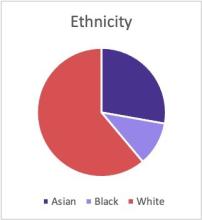
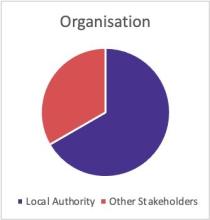
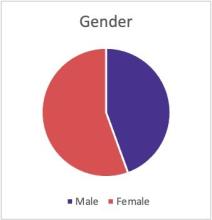
The breakdown of interviewees is as follows (n=18):
References
Abrams, D. et al. (2021). Beyond Us and Them: Societal Cohesion in Britain Through Eighteen Months of COVID-19. Manchester: Belong.
Baylis, I., Beider, H., & Hardy, M. (2019). Cohesive Societies: A Literature Review. London: The British Academy.
Brown, P. (2023). Clubland: How the Working Men’s Club Shaped Britain. London: HarperCollins.
Council of Europe. (2016). Cultural Access and Participation. Strasbourg: Council of Europe.
Layard, R., & De Neve, J-E. (2023). Wellbeing: Science and Policy. London: Penguin.
MacLennan, D., & Franklin, P. (2025). Helping Funders Measure What Matters. London: Pro Bono Economics.
Mamattah, S., McGillivray, D., & McPherson, G. (2024). Festivals, Events and Equality, Diversity and Inclusion Outcomes: An Evidence Review. Centre for Culture, Sport and Events (CCSE), University of the West of Scotland.
Marschall, S. (2008). ‘The heritage of post-apartheid memorialisation: A public landscape of memory’. South African Historical Journal, 60(3), pp. 347–366.
Maughan, C., & Bianchini, F. (2004). The Economic and Social Impact of Cultural Festivals in the East Midlands of England. London: Arts Council England.
Moustakas, L. (2024). ‘Sport for social cohesion: A conceptual framework linking common practices and theory’. Sport in Society, 27(10), pp. 1549–1567.
Otte, H. (2019). ‘Bonding or bridging? Art participation and social cohesion in a rural region of the Netherlands’. Poetics, 76.
Puddle, J., & Heydon, Z. (2024). Creating Connections: The Role of Arts in Bridging Divides and Bringing Communities Together. London: British Future & University of the Arts London.
Raw, K., Sherry, E., & Rowe, K. (2022). ‘Sport for social cohesion: Exploring aims and complexities’. Sport Management Review, 25(3), pp. 454–475.
Robinson, M. (2022). An Introduction to the Learning from Creative People and Places. London: Arts Council England.
Roy, O. (2024). Crisis of Culture. London: Hurst.
Stone, C. (2025). Football, Community and Social Responsibility: Everton’s “Blue Family” and Sport at the Service of Humanity. London: Routledge.
StreetGames. (2024). Annual Review 2023–2024. London: StreetGames.
Statistical and sector evidence
British Beer and Pub Association (BBPA). (2024). Data on pub closures in England and Wales. Nearly 300 pubs closed in 2024; since 2000, over 13,000 pubs have closed, reducing the total to fewer than 45,000.
Football Association (FA). (2015). Grassroots Football Participation Study. London: The FA.
Office for National Statistics (ONS). Personal wellbeing and quality of life datasets.
Unison. (2023). Research on council-run youth centre closures in England and Wales, showing at least 1,243 centres closed between 2010 and 2023.
ukactive. (2024). Membership diversity data indicating Black, Asian and minority ethnic groups account for 26% of users of publicly operated gyms and leisure centres, compared with 14 per cent of the national population.
Working Men’s Club and Institute Union (CIU). Membership and closure data indicating a decline from over 4,000 affiliated clubs in the 1970s to approximately 1,500 today.
Additional sources and reports
Football Unites Racism Divides (FURD). Football – A Shared Sense of Belonging? Final Report on the Role of Football in the Lives of Refugees and Asylum Seekers.
UK Census (England and Wales). Ethnic group population distribution maps.