Democracy is strongest when elected representatives actually represent the whole gamut of lived experience in our society. I’m proud to be able to add to that and, with appropriate support, to show that being a councillor is an option open to others too.
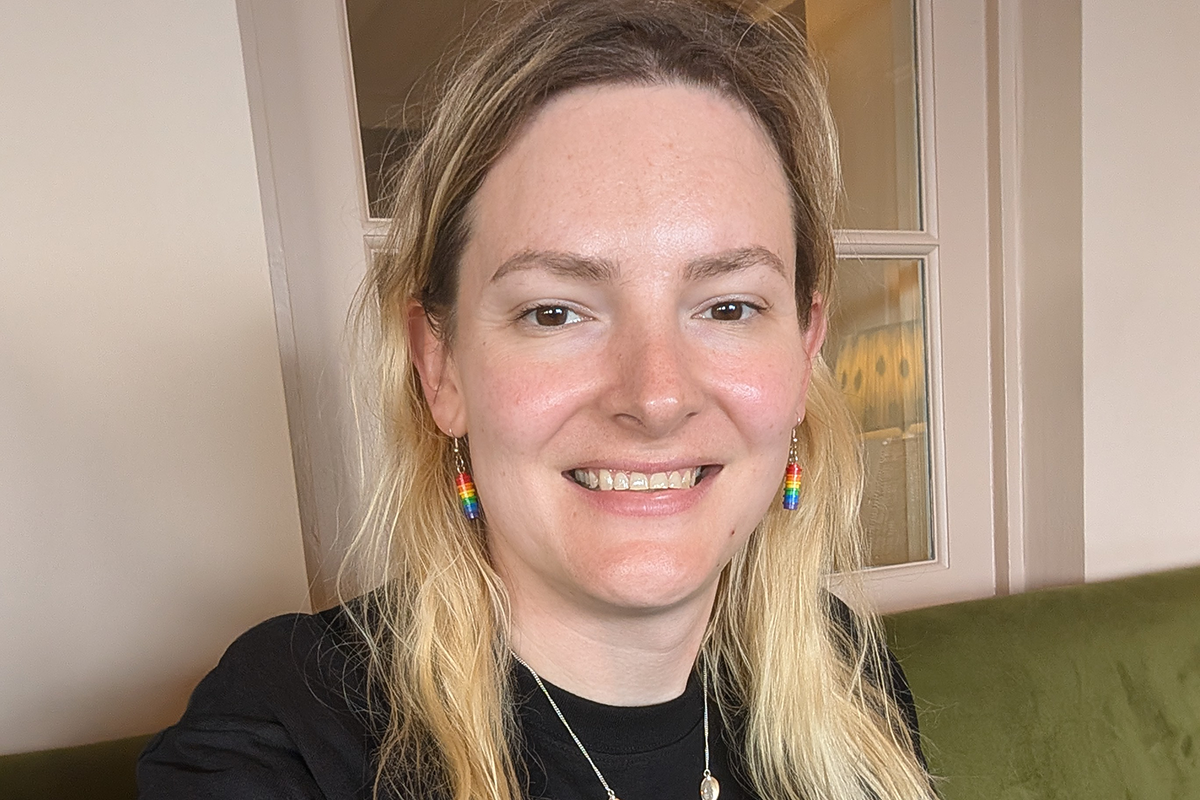
I was nervous before committing to stand as a council candidate with a full campaign behind me, but, with support from my local party, I was encouraged to go from activist to candidate, and stand up for my area.
I’m naturally a conflict-averse person. This might look incompatible with being a local councillor in opposition, but I spend more time on building consensus and connections in my community than on the ‘rough and tumble’ of politics.
Standing as a trans woman brings an extra dimension to this, as my identity has become heavily politicised in the so-called ‘culture war’.
Fortunately, away from the echo chambers of the internet and certain corners of the media, people are more interested in who can get on top of fly-tipping, champion road safety and fight for more affordable housing.
Sadly, I have received hate and abuse that originated online, but support and allyship from council staff, my political group and campaign team have been steadfast and strong, including where the police were brought in to investigate an incident.
It’s important to me to not just be ‘the trans councillor’. Although I’m able to be a visible representative for the trans community, I bring my whole self to my duties as a councillor.
I balance my councillor duties with working part-time as a software developer for a national charity and have found that my skills in user-centric design transfer well to putting residents first, as well as to problem solving.
My professional knowledge also helps me to scrutinise high-budget IT and cybersecurity decisions effectively.
Democracy is strongest when elected representatives actually represent the whole gamut of lived experience of our society.
I’m proud to be able to add to that and, with appropriate support, to show that it is an option open to others too.
A version of this case study was first published in the LGA’s first magazine