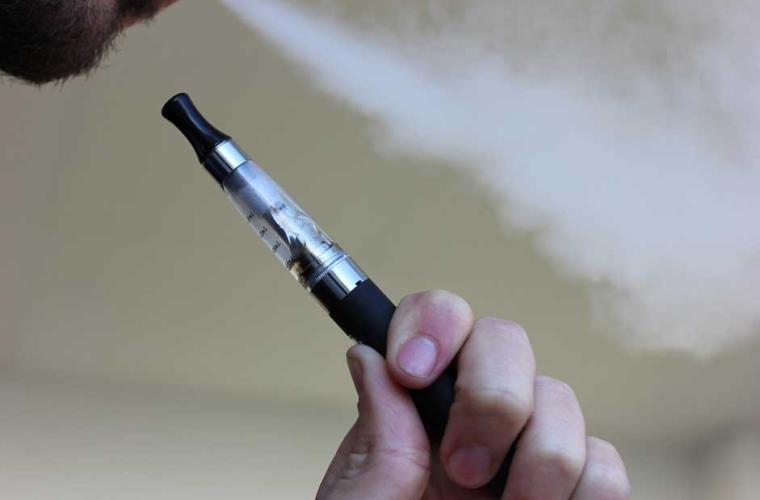
The Local Government Association (LGA) is calling for a change to the definition of single-use vapes to close an industry loophole, reduce vape waste, and prevent dangerous bin lorry and waste fires.
In the year since the disposable vape ban was introduced on 1 June 2025, the number of vapes and pods thrown away each week has decreased from 8.2 million, but over 6 million are still being discarded (Material Focus).
Bin lorry, recycling and waste centre fires across the country have increased over the same period, often caused by lithium-ion batteries in rechargeable vapes sparking when crushed or damaged.
The market has shifted to rechargeable vapes that are designed, sold, priced, and used in the same way as the disposables they replaced. Vapes continue to be placed in household waste with 47 per cent of vape users not aware that vapes can be recycled. Only 43 per cent of those attempting to recycle vapes at supermarkets report being able to do so consistently, despite retailers being required to offer take-back recycling schemes (Material Focus).
Councils supported the ban when it came into force and continue to back it. Now, the LGA, on behalf of councils in England, is calling on the Government to take further action to cut the number of rechargeable vapes still being discarded, prevent fires, and reduce improve recycling.
The LGA is calling on the Government to:
- Tighten the statutory definition of a single-use vape to include disposable-style products.
- Strengthen and enforce retail take-back schemes, with penalties for non-compliance, so producers and retailers of vapes cover the cost of collection.
- Increase producer fees under the Waste Electrical and Electronic Equipment regulations to reflect the full cost of safe disposal.
- Deliver a public awareness campaign on the dangers of disposing vapes and lithium-ion batteries in household waste.
Cllr Dr Wendy Taylor MBE, Chair of the Local Government Association’s Health and Wellbeing Committee, said:
“The ban on single-use vapes was the right decision and councils continue to be strong supporters.
“A year on, the volume of vapes in our bins has dropped, but industry has moved faster than regulation – the products causing fires in our bin lorries today are effectively the same disposables in a different shell.
“Councils are bearing the cost of contaminated recycling and dangerous fires, with residents ultimately paying through council tax instead of producers and retailers.
“Year one of the ban has shown what regulation alone can achieve. Year two must focus on enforcement, producer responsibility, and closing this industry loophole to keep rechargeable vapes out of our waste system, preventing further fires and reducing unnecessary local resource drain.”
Notes to Editors
- The ban on the sale and supply of single-use vapes came into force in the UK on 1 June 2025.
- Material Focus:
- 6.3 million vapes are thrown away each week, a decrease from 8.2 million before the ban in 2025.
- 47 per cent of vapers say that they did not know that they could recycle their vapes.
- 43 per of people who tried to recycle vapes at a supermarket were able to do so every time.
- Waste electrical and electronic equipment (WEEE) regulations require retailers to provide a way for customers to dispose of old electrical and electronic equipment – take back schemes. It is reported that in many cases, vape retailers are not complying with regulation.