This online hub highlights good practice in the delivery of affordable housing and tackling of homelessness.
The number of households in temporary accommodation now exceeds 134,000 - the highest level since records began - while 8,010 people are estimated to be sleeping on the streets.
Each of these numbers represents a household in crisis. The human cost is profound, and the financial impact is significant, with councils spending £2.8 billion on temporary accommodation in 2024/25.
Despite these challenges, we know that affordable housebuilding by councils and their partners has grown over the last couple of years. According to the UCL Bartlett School of Planning, in 2023 79 per cent of councils reported that they were directly delivering housing and 76 per cent have affordable housing as a council corporate priority. In 2024/25, over 64,000 affordable homes were delivered in England representing the highest delivery since 2014/15. 12,198 of these were for social rent, the highest value since 2013/14.
Councils are also working tirelessly to develop innovative approaches to tackling homelessness – building partnerships to prevent homelessness, identifying new sources of temporary accommodation, and supporting individuals and families at risk.
This hub brings together real-world case studies, showcasing successful interventions, partnerships, and strategies that can be adapted to different local contexts.
We are always looking for case studies. If your council has a case study to share, please get in touch - we’d love to hear from you. To submit a case study, please download the case study guidance and send to [email protected].
Case Studies
Briefings and responses
Below are the most recent briefings and responses we have provided on housing and homelessness.



Empty homes
Facing their own challenges locally, councils across England are deemed to be best placed to tackle the issue of empty homes through encouraging and supporting their owners to bring them back into use, and to enforce against owner and property where their condition or effect is to the detriment of a neighbour or community.
Right to Buy
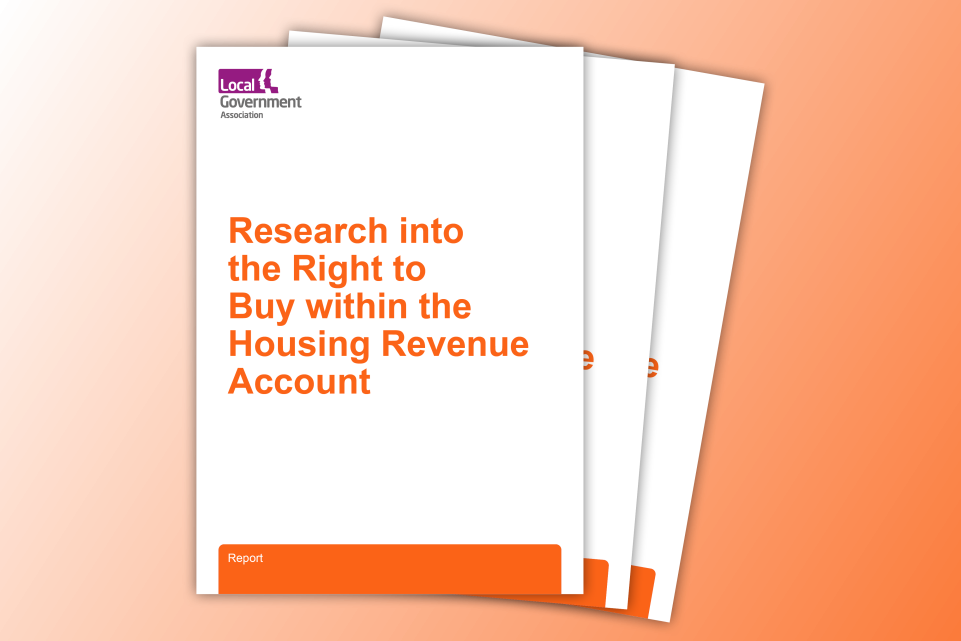
Councils and local authorities need to be given the control, power and flexibilities to shape the Right to Buy scheme, to best serve their local housing market and resident's needs.
Highlighted pages
Housing reimagined: Practical support from the LGA
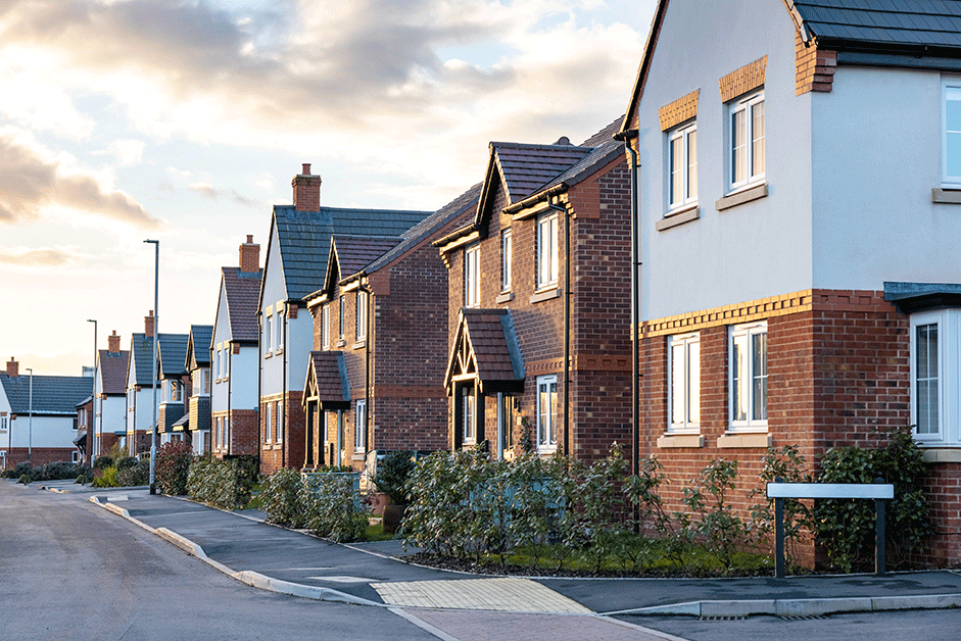
Councils play a critical role in tackling the housing supply challenge. The LGA offers targeted programmes that support councils in developing the skills and capacity to deliver innovative housing solutions.
Practical approaches to boosting the supply of affordable housing and tackling homelessness
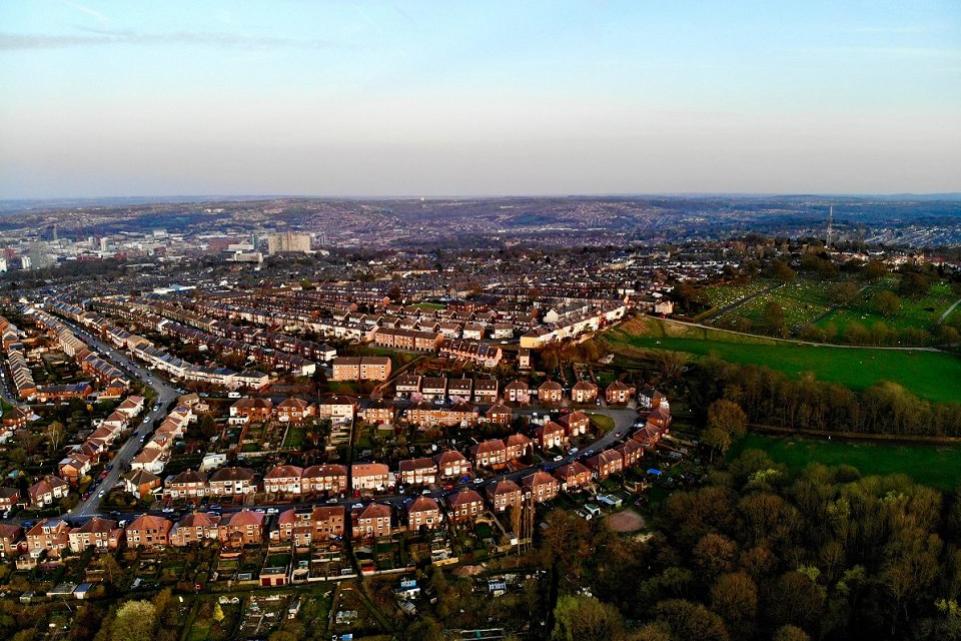
This call for evidence supports work looking into how local authorities are boosting supply of affordable housing and tackling homelessness.

Guidance for Appointment of an Independent Referee in Local Connection Disputes
The Local Government Association (LGA) provides limited support to local authorities in relation to disputes arising under section 198 of the Housing Act 1996 on local connection. The LGA role is limited to providing local authorities with the information about the process for appointing an independent referee and maintaining a panel of referees involved.