Section 117 aftercare plans include a focus on early intervention and prevention of mental health deterioration (s117(2)(a))

Objective
To set out preventative strategies, proactive engagement, and early intervention practices that support long-term wellbeing, reduce relapse, and include anticipatory care and support planning to respond to changes in need or risk.
Why is this important?
S117 of the Mental Health Act places a positive duty on the ICB and local authority to provide aftercare services that aim to "prevent a deterioration of the person's mental condition." This is a proactive and preventative duty, not simply a reactive one.
A lack of focus on prevention and early intervention can lead to a cycle of relapse and readmission, with individuals only receiving support when they are in crisis. This is not only detrimental to the individual's wellbeing but also places a significant strain on acute mental health services.
What does good look like?
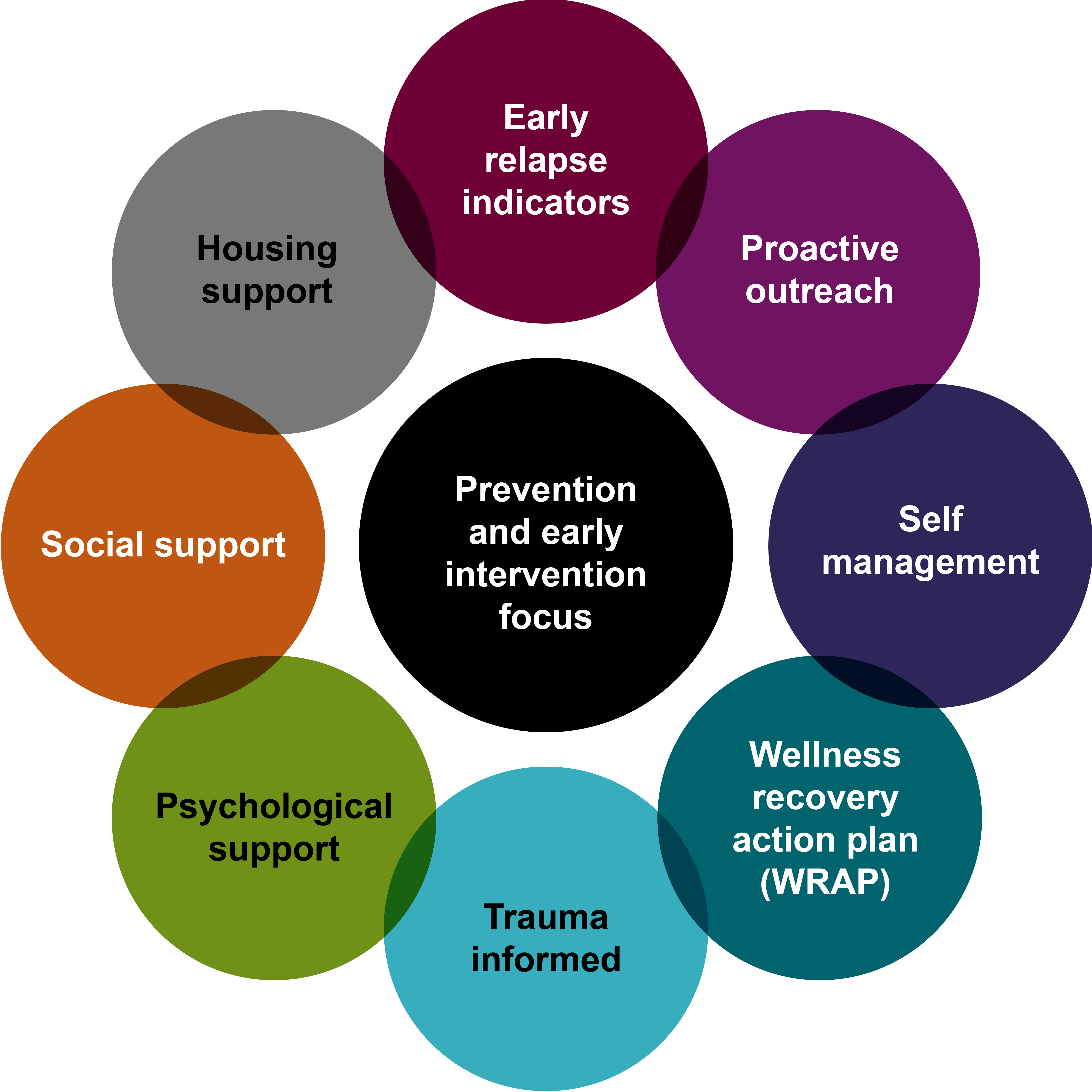
Proactive engagement: Aftercare services should take a proactive approach to engagement with people. This includes planned and recorded arrangements for regular check-ins, outreach and assertive follow-up, where appropriate. The frequency, method and intensity of contact should be proportionate to the person’s assessed needs and level of risk, and responsive to individual preferences, communication needs and personal circumstances, to ensure engagement is supportive rather than intrusive.
Consideration should be given, where relevant, to the use of recognised local or national frameworks and tools to support early identification of risk and prevent deterioration or admission (for example, Dynamic Support Registers for people with a learning disability and autistic people).
Arrangements for follow-up should be clearly documented, kept under review, and adjusted where circumstances or needs change.
Early identification of relapse signs: People and their carers are actively supported to identify the early warning signs of relapse. This enables them to seek help at an early stage, before their mental health deteriorates significantly.
Timely and responsive support: When a person does seek help, the response is timely and effective to prevent a deterioration in mental health and avoid crisis.
Contingency planning: All aftercare plans include a clear contingency plan that outlines the steps to be taken if the persons mental health starts to deteriorate. This is co-produced with the person and their carer and is regularly reviewed.
Practical considerations
- Ongoing mental health care and relapse prevention: Is there a clear and agreed pathway that includes ongoing, proactive involvement from statutory mental health services (for example, Community Mental Health Teams or equivalent), providing continuous clinical oversight, care coordination and maintenance support, not only at points of crisis or relapse? This should include agreed protocols for early intervention, escalation and crisis response where risks increase.
- Promote supported self-management: Are Wellness Recovery Action Plans (WRAPs) or equivalent tools used effectively to support people to understand their mental health, recognise early warning signs and participate actively in their care, alongside ongoing professional support? Self-management approaches should complement, not replace, statutory mental health care where this is required.
- Support for unpaid carers and families: Are carers recognised as key partners in supporting stability and recovery, and provided with appropriate information, advice and support in their own right, including access to a Carer’s Assessment where appropriate, and clarity about who to contact within statutory services if concerns arise?
- Community and recovery support: Are accessible community-based services available to support recovery, social inclusion, physical and mental wellbeing — such as peer support, befriending, employment and vocational support — alongside access to relevant physical health support and equipment where required, in addition to, and not instead of, statutory mental health provision?