This page provides information on Protected Site Strategies (PSS) as part of the PAS project funded by Natural England.
What are Protected Site Strategies and why do we need them?
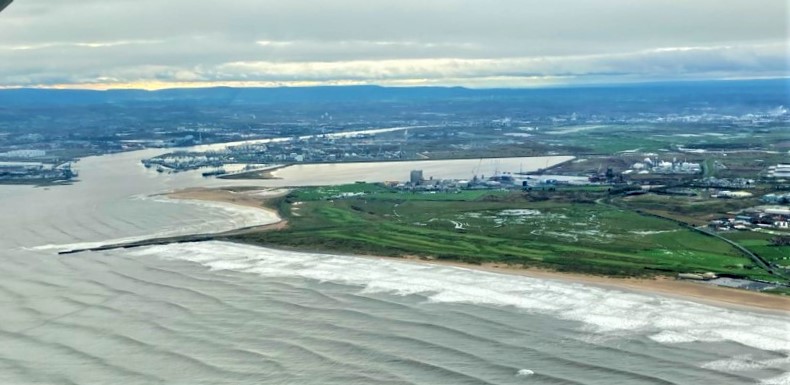
Protected Site Strategies bring together a variety of relevant stakeholders to look beyond site boundaries to find solutions to address wider environmental issues impacting these protected sites that cannot be resolved well at the site level.
The Environment Act 2021 provides a new power for Natural England to ‘…prepare and publish a strategy for a) improving the conservation and management of a protected site, and b) managing the impact of plans, projects or other activities…on the conservation and management of the protected site’.
Natural England is using its new statutory powers to convene local partnerships focused on addressing environmental issues that affect the conservation and management of Protected Sites, so that they remain healthy and resilient for years to come. PSS are ambitious and innovative in their approach, operating at a large scale across the landscapes where the identified Protected Sites are located.
The Environmental Improvement Plan 2025 identifies that delivering PSS as a key action to meet the 30by30 commitment. This commits to protecting 30% of the UK’s land and sea by 2030 in England. Natural England’s 2025 Strategy refers to the role of PSS in nature recovery through the targeting of PSS to tackle problems with water, air and soils, and to address climate change impacts.
More information on Protected Sites and PSS
PAS has a suite of webpages on protected sites and PSS:
Nature Network for LPAs - Practitioner Network
PAS hosts a network for local authority officers interested in nature recovery. We host an online discussion forum & run events & training. Please email us if you are a local authority officer and would like to join.
DISCLAIMER: The PAS team updates these pages regularly to reflect current guidance on protected sites as best we can. Our goal is to provide accurate, timely information to support local planning authorities. If you are from a local authority and have any questions about the content or need further information, please contact us at [email protected]. This page was last updated on 20/03/2026.